The Max Headroom Broadcast Hijacking: A Grim Mask on the Airwaves
In 1987, Chicago’s TV screens went dark as a masked figure hijacked the airwaves. No culprit or motive was ever found. An unsolved analog era mystery.
Author Harry
Read 3 Min
Published
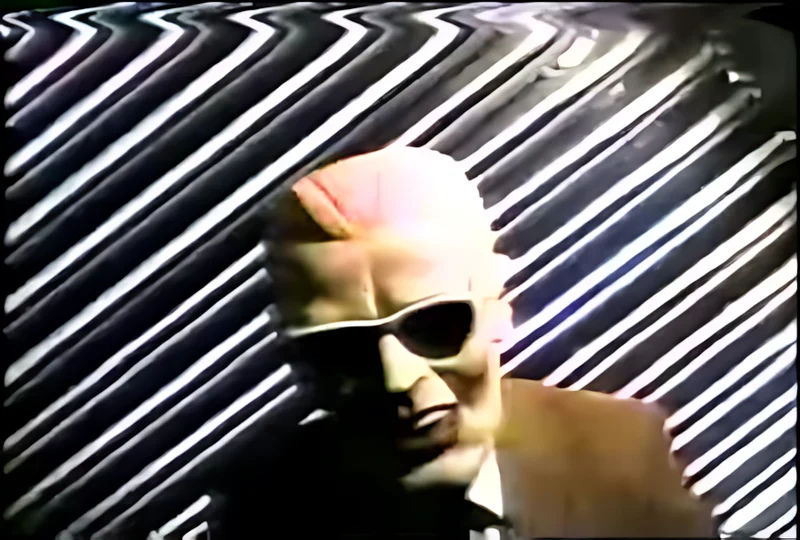
Actual broadcast footage of the Max Headroom signal intrusion
Loss of Signal
On the night of Sunday, November 22, 1987, households across Chicago settled in for the evening. On screen, a local anchor read the sports news in a dry, monotonous tone. Suddenly, the picture dissolved into blackness. Static hissed through the speakers.
When the screen flickered back to life, the news was gone. Instead, an unidentified man wearing sunglasses and a grotesque plastic mask stood in the center of the frame. Behind him, a corrugated metal panel rotated with mechanical precision. Viewers questioned whether their sets had malfunctioned or if the station was playing an eccentric joke. Only one fact was certain. An unknown force had seized control of the city’s screens and speakers.
The Night the Airwaves Fell
The intrusion began during the WGN-TV nine o'clock news. At 9:14 p.m., as the station broadcast sports highlights, the feed vanished. A masked figure appeared on screen for fifteen seconds. This initial intrusion carried no audio. Flustered WGN engineers quickly changed the transmitter frequencies to regain control. The anchor offered a brief, uneasy apology to the audience. It could have been dismissed as a transient technical glitch.
The true breach occurred two hours later. At 11:15 p.m., the public broadcasting station WTTW was airing the British science fiction series Doctor Who. Static ruptured the broadcast, and the masked figure returned. This time, the feed carried clear audio.
WTTW, the second target, lacked the agility of WGN. The duty engineer at the transmitter tower was absent, leaving the station with no immediate physical way to reclaim the signal. The hijackers held the airwaves for ninety seconds, broadcasting their feed to the entire Chicago metropolitan area.
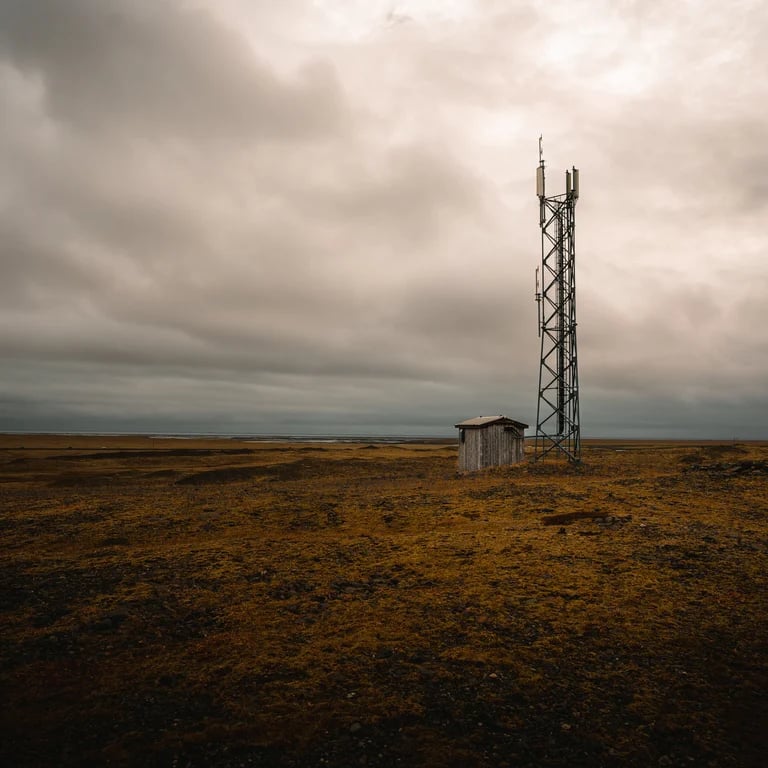
Investigations later revealed that the intruders intercepted the Studio-to-Transmitter Link, which sends microwave signals from the studio to the main transmitter. By overpowering the station's own signal with a high-power transmitter of their own, the hijackers forced the tower to broadcast their feed. This maneuver required sophisticated technical knowledge of broadcast infrastructure and access to expensive, high-wattage radio equipment.
Distorted Audio and Erratic Performance
The figure on screen was a crude caricature of Max Headroom, a popular artificial intelligence character featured in contemporary television advertisements. Wearing a cheap rubber mask and dark sunglasses, the actor stood before a rotating background made of corrugated metal or cardboard, manually spun by an unseen accomplice to mimic the character's signature computer-generated backdrop.
The performance was erratic and disjointed. The audio, heavily distorted to sound like a buzzing chainsaw, was largely unintelligible, though analysis later recovered fragments of speech. The intruder mocked WGN sports anchor Chuck Swirsky, held up a Pepsi can while reciting a Coca-Cola slogan, threw obscene gestures, and muttered incoherent hums and groans.
The transmission culminated in a jarring shift. The camera angle changed to reveal the intruder's bare lower torso. Bent over, the individual was struck repeatedly with a flyswatter by a second accomplice holding the camera. The intruder shrieked unintelligible phrases during the act. With this final, absurd scene, the transmission ended. The screen went black, and Doctor Who resumed.
The Vanishing Act
The Federal Communications Commission and the Federal Bureau of Investigation launched immediate inquiries into the unprecedented breach. Because signal hijacking is a federal offense, authorities prioritized the case. Investigators focused on individuals with advanced technical knowledge. The suspect pool included current and former broadcast engineers, satellite technicians, and members of the underground hacker community who possessed the skill to operate microwave transmission gear.
Theories multiplied. Some suspected a disgruntled former employee seeking revenge against the stations. Others viewed it as avant-garde performance art by counterculture figures. Decades later, internet forums buzzed with a detailed theory pointing to a group of neurodivergent hackers in the Chicago area. Yet, every lead hit a dead end due to a lack of physical evidence.
The face behind the mask remains unknown. The identity of the accomplice wielding the flyswatter remains a secret. The statute of limitations expired long ago, leaving the incident officially unsolved.
An Analog Avant-Garde
The Max Headroom intrusion remains one of the most notorious disruptions in broadcasting history. It demonstrated the vulnerability of mainstream media infrastructure to a motivated individual or group. The hijackers made no demands. They issued no political manifestos or ransom requests. They simply forced their bizarre performance into the living rooms of hundreds of thousands of unsuspecting viewers.
This midnight intrusion exposed structural vulnerabilities, serving as an early precursor to modern cyber warfare and remaining a classic urban legend of the analog era. Somewhere in the vast spectrum of radio waves, the distorted plastic mask may still be laughing.
The culprits vanished, leaving behind nothing but a bizarre joke.
Share